Regional Trainings
2025
Regional Trainings
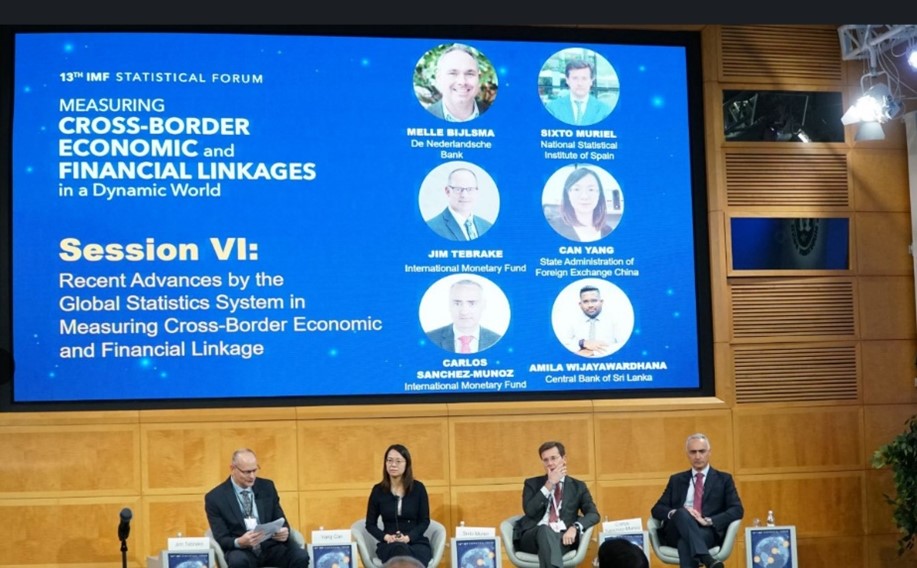
November 10–13: SARTTAC–CDOT Joint Course on Central Bank Balance Sheet and Policy Solvency
| SARTTAC and CDOT, together with the IMF Monetary and Capital Markets Department (MCM), delivered a regional interactive learning course in Mumbai, India on central bank balance sheet analysis and policy solvency. The course provided training to central bank officials from SARTTAC and CDOT member countries on balance sheet structures, solvency assessment, long‑term forecasting, stress testing, and IFRS adoption. The highly interactive workshop enabled participants to share country experiences and deepen their understanding of policy solvency challenges. Participants reported strong learning outcomes and practical applicability of the tools and frameworks discussed. |
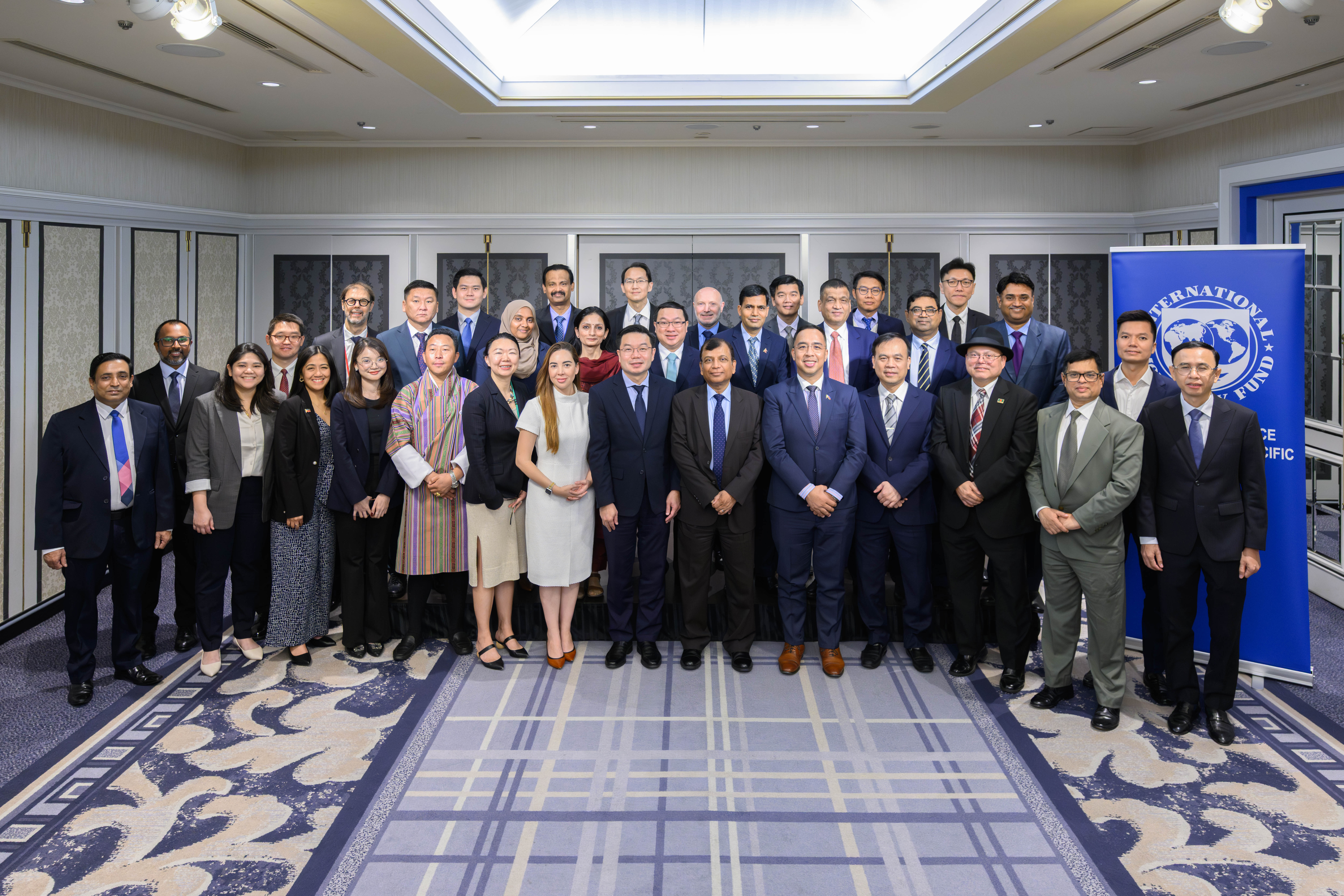 |
November 6-7: High-Level Digitalization Forum IMF’s Fiscal Affairs Department (FAD), IMF’s Regional Office for Asia and the Pacific (OAP), South Asia Regional Training and Technical Assistance Center (SARTTAC), and CDOT jointly organized the High-Level Digitalization Forum in Tokyo with the generous funding support by the Government of Japan. The forum catalyzed interactive discussions, showcases, and peer learning on the digital transformation in public financial management—strengthening fiscal operations, improving transparency, and enhancing service delivery to the public. There were 27 senior officials, including Vice Ministers, Secretaries of State, Undersecretaries, Directors Generals, and heads of digitalization from ministries of finance and central agencies from 12 countries across Asia: Bangladesh, Bhutan, Cambodia, India, Lao PDR, Maldives, Mongolia, Nepal, Philippines, Sri Lanka, Thailand, and Vietnam. |
|
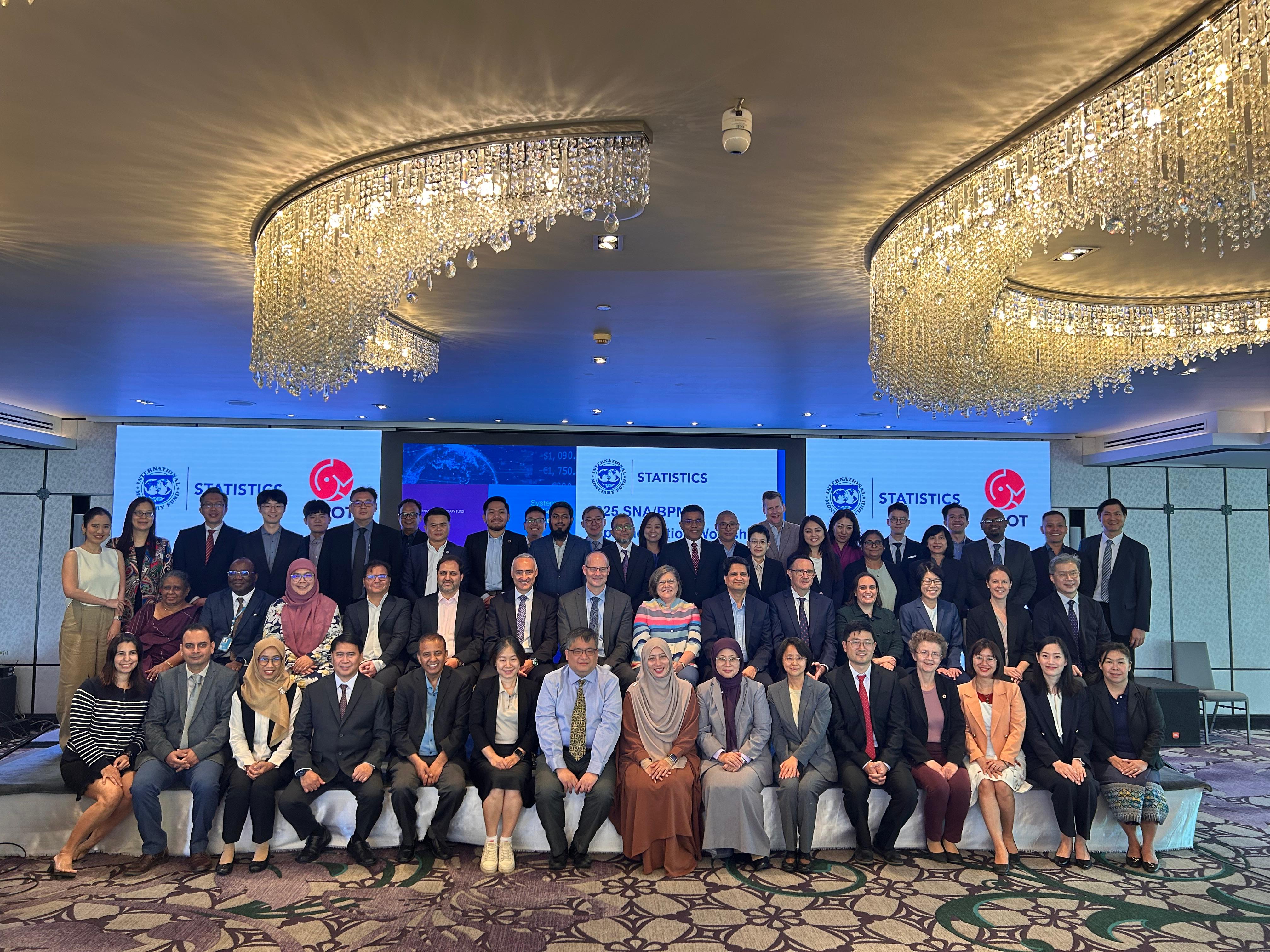
September 1 – 12: STI-CDOT Course on Topics in Monetary Policy (MP) and Model-Based Monetary Policy Analysis and Forecasting (MPAF)
| STI and CDOT conducted a regional course on Monetary Policy and Model Based Monetary Policy Analysis and Forecasting (MPAF) in Da Nang, Vietnam. The course balanced a mix of foundational training and hands-on, in-person learning, interactive workshops, meticulous organization, and effective counseling. There were 26 participants from Cambodia, Laos, and Vietnam (CLV). Participants highlighted the course’s usefulness considering Forecasting and Policy Analysis System (FPAS) technical assistance. In addition, an AI enabled teaching agent named KITA was trained on the MPAF course reading materials and introduced to students. |
April 21 – 24: Course on Central Bank Foreign Exchange (FX) Operations and Reference Exchange Rate
| The South Asia Regional Training and Technical Assistance Center (SARTTAC) and CDOT jointly delivered a regional course on Central Bank Foreign Exchange (FX) Operations and Reference Exchange Rate, led by Giorgi Barbakadze, CDOT Monetary and Foreign Exchange Operations Advisor. The course focused on the FX reference rate, highlighting the principles of robustness, representativeness, and replicability in designing reference rate frameworks. A workshop examined governance and the role of transparency and communications for FX policy and operations. There were 32 participants from 10 central banks: Cambodia, Lao P.D.R., Vietnam, Bangladesh, Bhutan, India, Maldives, Nepal, Sri Lanka, and the Philippines. |
March 24 – 27: Course on Emergency Liquidity Assistance (ELA)
| The South Asia Regional Training and Technical Assistance Center (SARTTAC) and CDOT jointly delivered a regional course on Emergency Liquidity Assistance (ELA) in New Delhi, India, led by Giorgi Barbakadze, CDOT Monetary and Foreign Exchange Operations Advisor. The course provided lectures on ELA Frameworks, collateral framework, country case from Thailand, and ELA Communication and Transparency. A workshop was also conducted for simulating ELA scenarios offered participants practical experience in managing ELA requests from commercial banks. There were 27 participants from 8 central banks: Cambodia, Lao P.D.R., Vietnam, Bangladesh, Nepal, Sri Lanka, Maldives, and Philippines. |
March 10 – 14: Workshop on compilation of personal transfers of workers abroad, remittances and grants in external sector statistics
| Renato Pérez, CDOT External Sector Statistics Advisor, conducted a regional workshop on compilation of personal transfers of workers abroad, remittances and grants in external sector statistics (ESS) in Nadi, Fiji. The workshop provided a comprehensive understanding of treatment of remittances and grants in ESS framework, with in-person sessions dedicated to reviewing the conceptual framework and discussing in depth practical challenges faced by compilers. There were 20 participants from Fiji, Kiribati, Marshall Islands, Nauru, Samoa, Timor-Leste, and Tonga in the workshop. |
February 10 – 14: Course on Liquidity Forecasting and Estimation of demand for Reserves
| The South Asia Regional Training and Technical Assistance Center (SARTTAC) and CDOT jointly delivered a regional course on liquidity forecasting and estimation of demand for reserves in New Delhi. The course was led by Giorgi Barbakadze, CDOT Monetary and Foreign Exchange Operations Advisor, as a continuation of series of SARTTAC and CDOT joint courses on monetary policy implementation. The topics covered the framework of liquidity monitoring and forecasting to support calibration of main open market operations (OMOs). There were 23 participants from 9 central banks, namely Cambodia, Lao PDR, Vietnam, Bangladesh, Bhutan, Nepal, Sri Lanka, Maldives, and Philippines. |
